Optimal Timing for Brick Tuckpointing
Brick tuckpointing is a specialized masonry process that involves repairing and restoring the mortar joints between bricks. Proper timing ensures optimal results, durability, and minimal disruption to property owners. Weather conditions, temperature, and humidity levels significantly influence the effectiveness of tuckpointing work.
Spring and fall are considered optimal seasons due to moderate temperatures and lower humidity, which aid in mortar curing and adhesion.
Tuckpointing should be avoided during freezing temperatures, high humidity, or heavy rain, as these conditions can compromise mortar setting and bonding.
The best temperature range for tuckpointing is between 40°F and 70°F, ensuring proper mortar curing and minimizing the risk of cracking.
Regions with extreme temperature fluctuations or high humidity require scheduling adjustments to ensure optimal mortar performance.
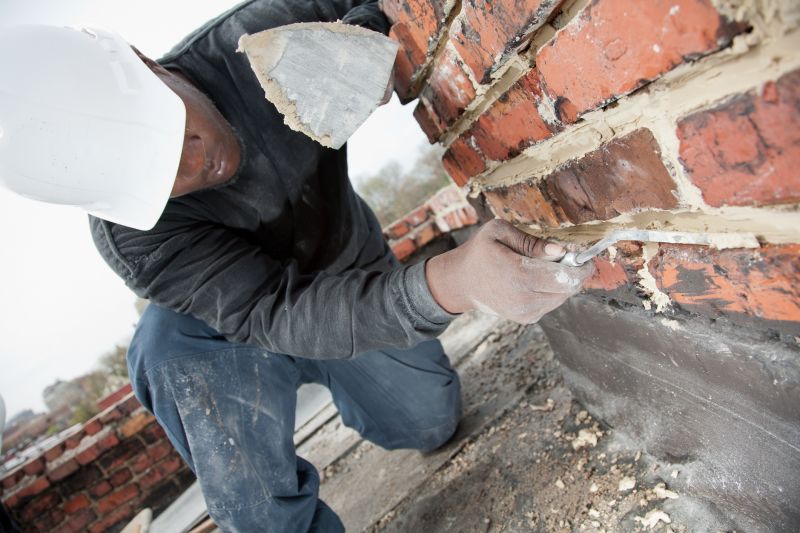
Spring offers moderate weather conditions ideal for mortar application and curing.
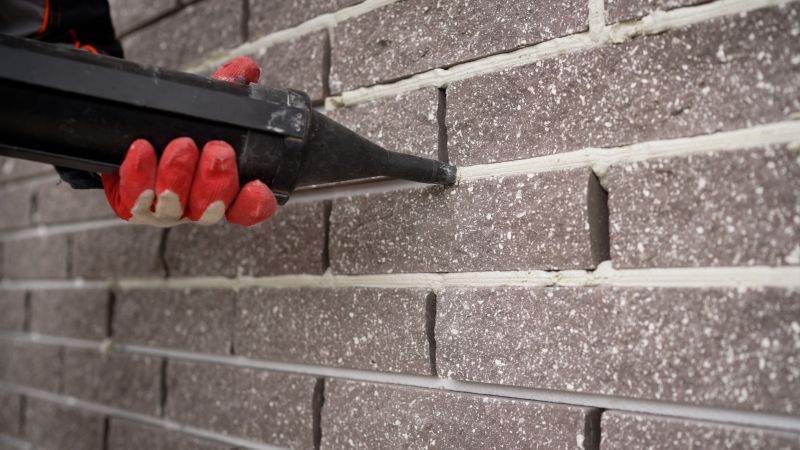
Fall provides cooler temperatures and low humidity, reducing risks of mortar failure.
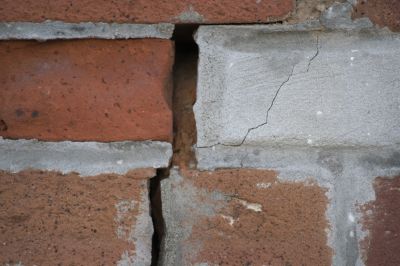
Avoid tuckpointing during winter freeze or summer heatwaves to prevent mortar cracking and poor adhesion.
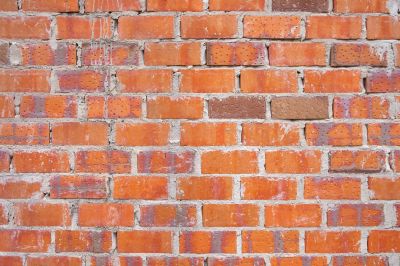
Popular materials for Brick Tuckpointings and why they hold up over time.
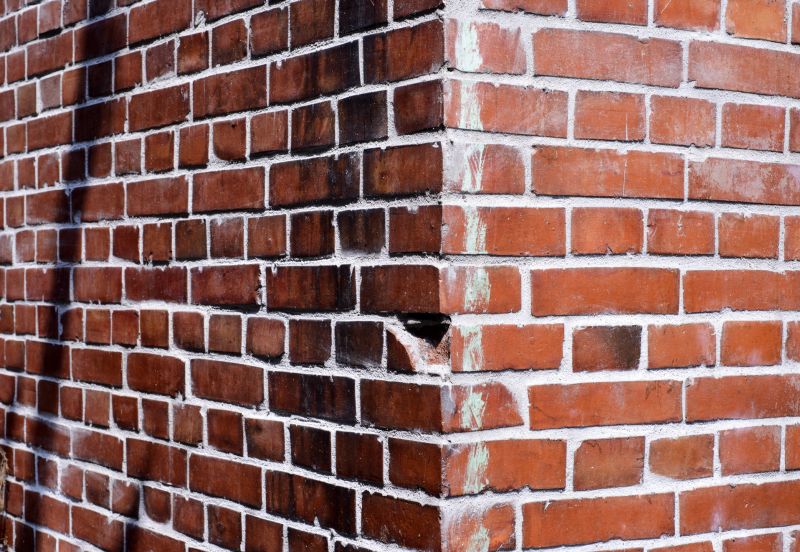
Simple add-ons that improve Brick Tuckpointings without blowing the budget.
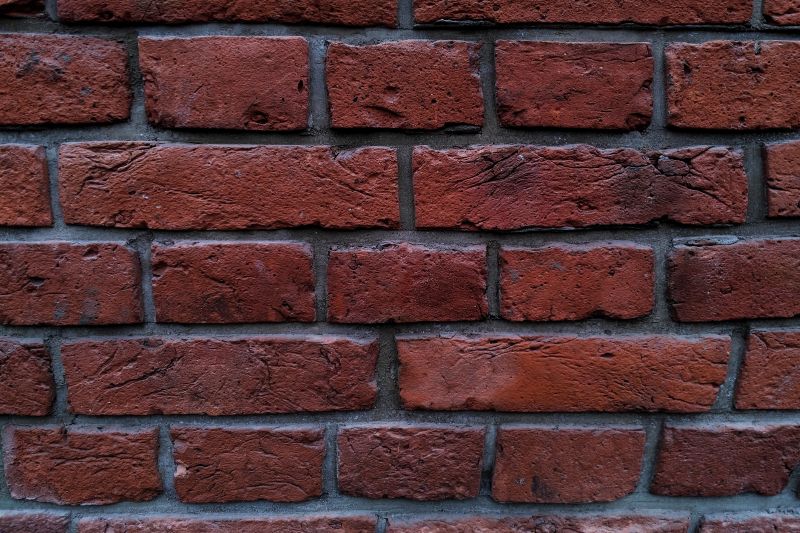
High-end options that actually feel worth it for Brick Tuckpointings.
| Season/Condition | Recommended Timing |
|---|---|
| Spring | Optimal due to mild temperatures and low humidity. |
| Summer | Not recommended during extreme heat or humidity. |
| Fall | Ideal as temperatures are moderate and humidity is low. |
| Winter | Avoid during freezing temperatures and snow. |
| Rainy days | Postpone until dry weather for proper mortar curing. |
| High humidity | Delay work until conditions improve to prevent mortar issues. |
Brick tuckpointing is a critical maintenance process that restores the structural integrity and appearance of brickwork. Proper timing aligned with favorable weather conditions ensures the longevity of repairs and reduces the likelihood of future issues. Scheduling during suitable seasons minimizes risks such as mortar cracking, efflorescence, or poor bonding, which can compromise the entire masonry structure.
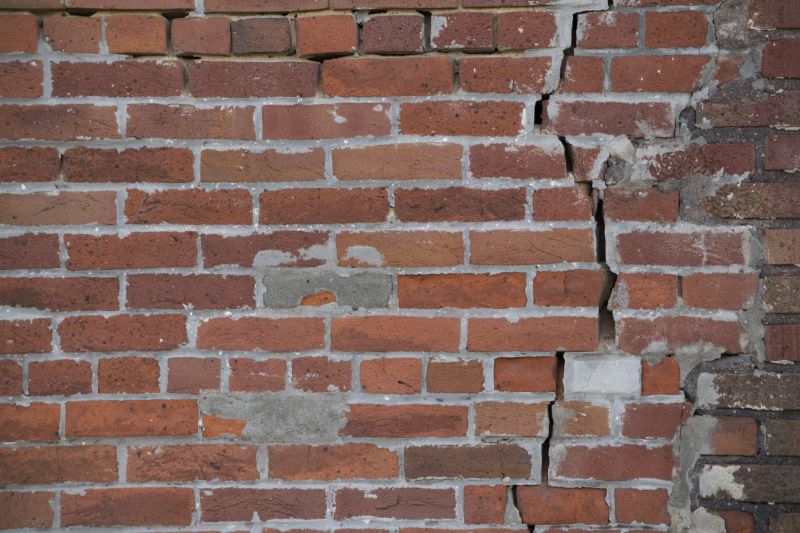
Professional tuckpointing during optimal weather conditions ensures durable results.
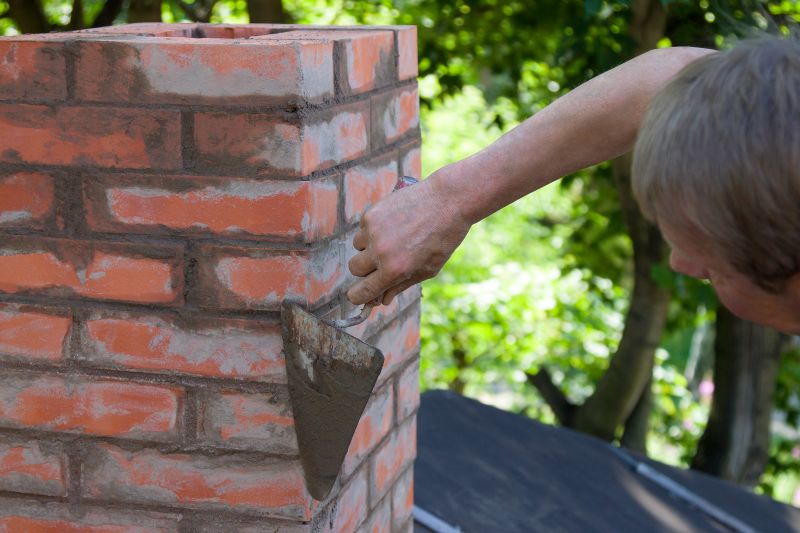
Applying mortar in suitable temperatures promotes proper curing and adhesion.
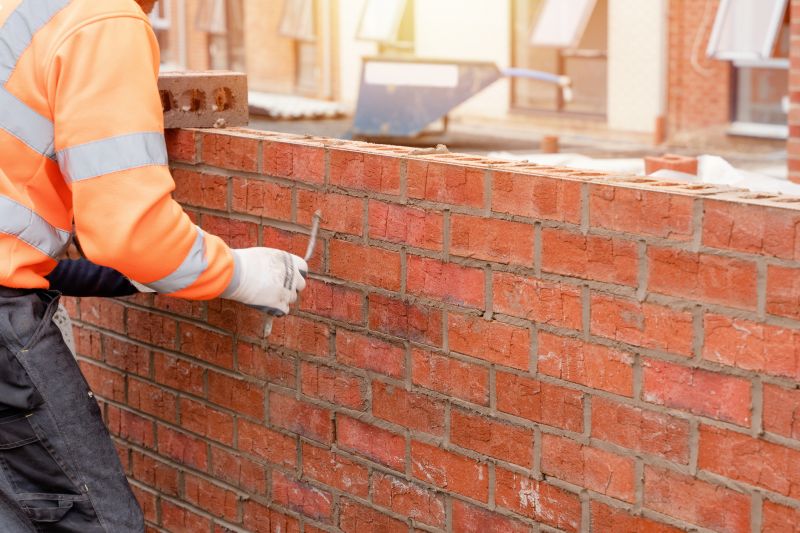
Properly timed tuckpointing enhances the structural integrity and appearance.
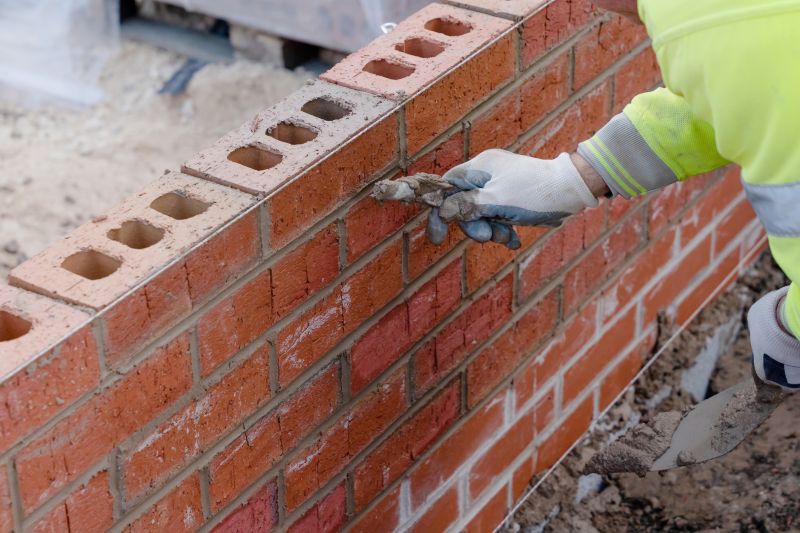
Scheduling work around favorable weather prevents future repairs.
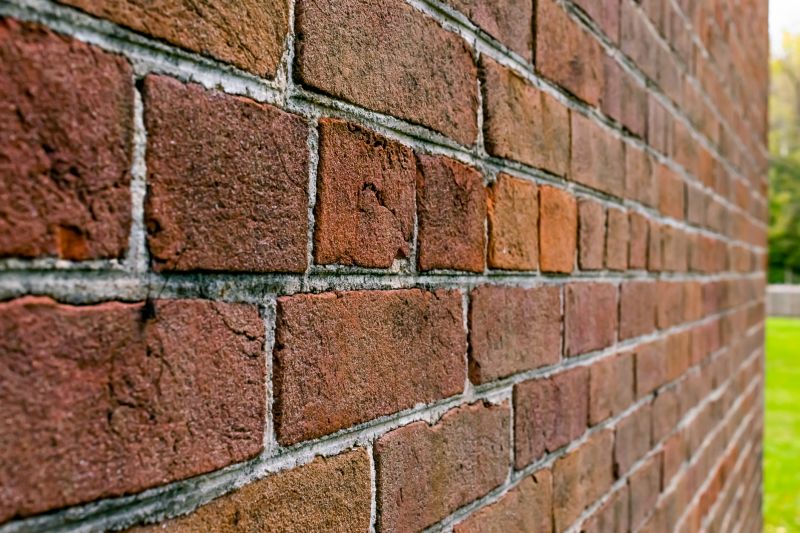
Finishes and colors that play nicely with Brick Tuckpointings.
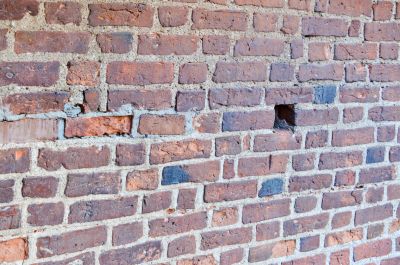
Little measurements that prevent headaches on Brick Tuckpointings day.
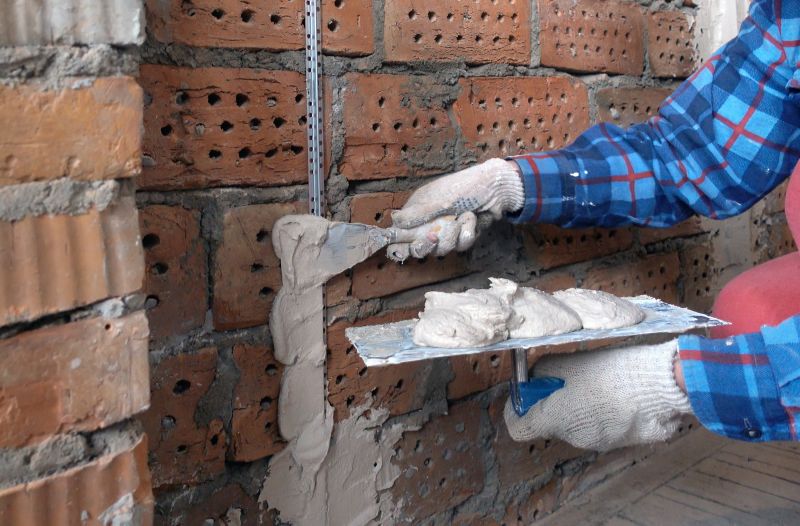
A 60-second routine that keeps Brick Tuckpointings looking new.
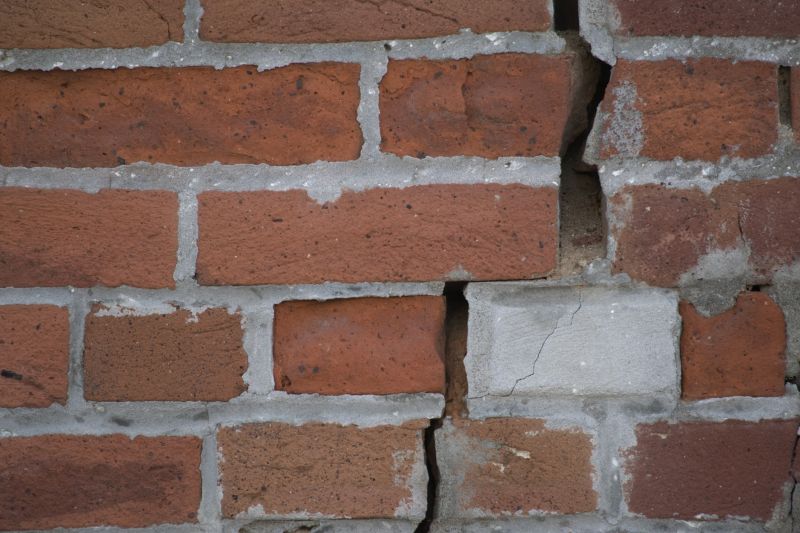
A frequent mistake in Brick Tuckpointings and how to dodge it.
Interested property owners should consider scheduling tuckpointing projects during the recommended seasons to ensure the best results. Proper planning around weather conditions can extend the lifespan of brickwork and reduce long-term maintenance costs. For additional guidance or to arrange an inspection, filling out the contact form is advised.