Brick vs. Stone Tuckpointing: Key Differences for Commercial Projects
People searching for brick vs. stone tuckpointing: key differences for commercial projects often want to understand which material suits their needs, and local contractors can help determine the best approach for durable, attractive masonry repair.
If you're exploring options for tuckpointing on a commercial property, understanding the differences between brick and stone tuckpointing is essential. Property owners in the area often consider these options to enhance the durability, appearance, and structural integrity of their buildings. Choosing the right approach can influence the longevity of the masonry work and how well it withstands local environmental conditions. This page is designed to help you navigate these key distinctions, offering practical insights that can inform your decision-making process.
Local contractors specializing in tuckpointing services can provide valuable guidance tailored to your specific project needs. Whether you’re restoring a historic brick façade or updating stonework for a modern commercial space, understanding the unique characteristics of each material can help ensure a successful outcome. Keep reading to learn more about how brick versus stone tuckpointing differs, and how experienced service providers in the area can assist in achieving the best results for your property.
- Commercial brick buildings - when structural integrity and aesthetic consistency are priorities, local contractors focus on matching brick types and proper tuckpointing techniques.
- Stone facades on commercial properties - for projects requiring preservation or restoration of natural stone, local pros utilize specialized methods to address unique joint and material considerations.
- Brick and stone restoration projects - when repairing aging or damaged masonry, service providers assess the material differences to ensure durable and visually cohesive tuckpointing.
- Historic building preservation - for maintaining original appearance, local contractors tailor tuckpointing approaches to match historic materials and craftsmanship standards.
- New commercial construction with brick or stone exteriors - during installation, professionals apply specific techniques suited to each material to ensure long-lasting and visually appealing results.
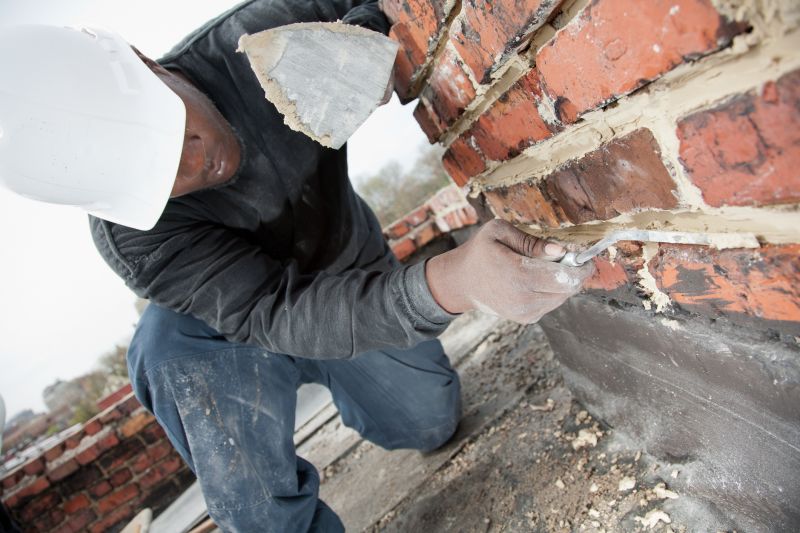
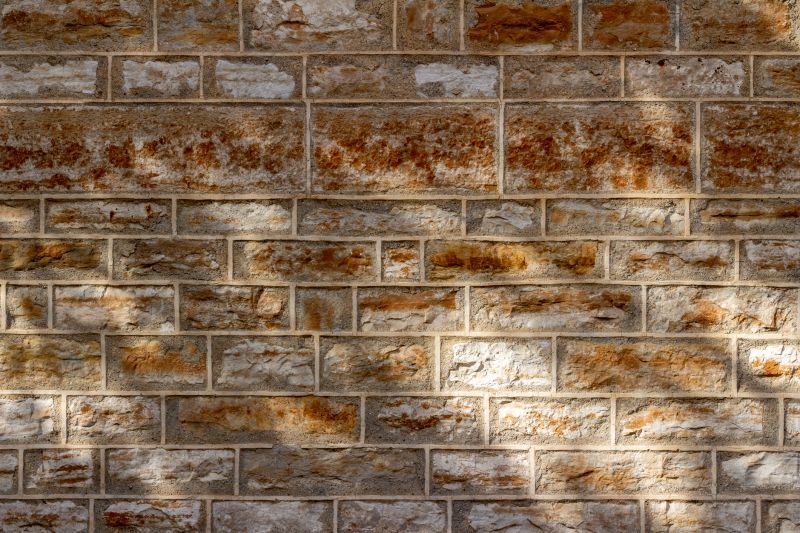
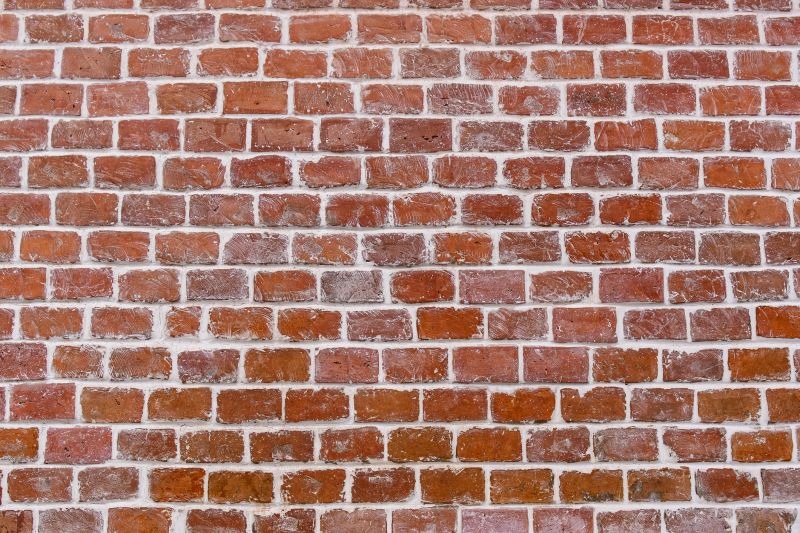
When exploring brick vs. stone tuckpointing for commercial projects, many people are seeking to understand how these two masonry repair methods differ in terms of materials, appearance, and suitability for different types of properties. Typically, property owners and managers search for this topic when planning repairs or upgrades to their building facades, especially when dealing with aging or damaged brick and stonework. The focus is often on restoring structural integrity, improving aesthetic appeal, or preventing future deterioration. Understanding the nuances of tuckpointing techniques helps property owners identify the most effective approach for their specific project, whether it involves brick or stone surfaces.
This topic is closely related to a variety of property problems and renovation plans. For example, cracked or crumbling mortar joints are common issues that can compromise the stability and weather resistance of a building’s exterior. Property owners may be considering tuckpointing as part of a broader effort to preserve historic facades or to meet building codes. Commercial properties like office buildings, retail centers, warehouses, and institutional facilities frequently require tuckpointing to maintain their appearance and structural soundness. When planning these repairs, it’s important to understand how brick and stone materials respond to different tuckpointing techniques and to select a method that aligns with the property's needs.
Properties that typically come up in discussions about brick vs. stone tuckpointing include older brick storefronts, historic masonry facades, stone retaining walls, and other exterior surfaces that feature visible mortar joints. These structures often face challenges such as mortar erosion, water infiltration, or aesthetic deterioration over time. Commercial projects involving these materials demand specialized knowledge because brick and stone require different approaches to tuckpointing to ensure durability and visual consistency. Local contractors experienced in both materials can assess the specific needs of each property and recommend the most suitable techniques to address issues effectively.
When considering brick vs. stone tuckpointing, property owners should understand how each material influences the repair process and long-term results. Brick tends to be more uniform in appearance and easier to work with, making it a common choice for commercial facades that prioritize a consistent look. Stone, on the other hand, often features more varied textures and colors, requiring more careful matching and specialized skills during tuckpointing. Local service providers who are experienced with both materials can help property owners navigate these differences, ensuring that repairs not only restore the building’s appearance but also enhance its longevity. Connecting with the right pros helps ensure that the chosen tuckpointing approach aligns with the specific material and project goals.
Brick Restoration Projects - Local contractors specializing in brick restoration often perform tuckpointing to repair mortar joints and preserve the integrity of brick facades in commercial buildings.
Stone Masonry Repair - Service providers skilled in stone masonry frequently handle tuckpointing for stone structures, ensuring proper joint sealing and structural stability in commercial settings.
Historic Building Preservation - Preservation specialists working on historic commercial properties utilize tuckpointing techniques to maintain authentic appearance while addressing mortar deterioration.
Facade Repointing Services - Repointing experts focus on restoring the exterior appearance of commercial facades by replacing or repairing deteriorated mortar joints in brick and stone walls.
Masonry Cleaning and Sealing - Professionals offering masonry cleaning and sealing services often incorporate tuckpointing to improve durability and aesthetic appeal of brick and stone surfaces.
Structural Masonry Reinforcement - Contractors performing structural reinforcement for masonry walls may include tuckpointing as part of strengthening efforts for commercial building stability.
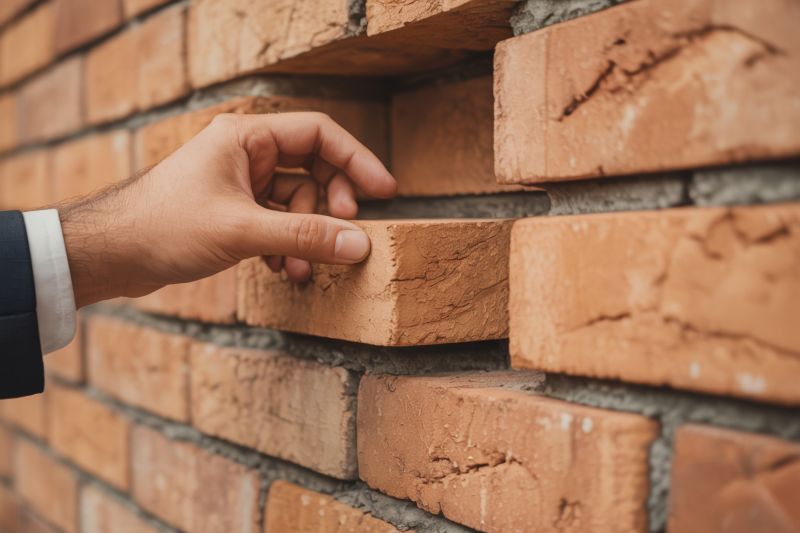
When evaluating local contractors for brick vs. stone tuckpointing, it is essential to prioritize experience with similar projects, especially those involving commercial buildings. Contractors who have a proven track record working with both brick and stone materials can better understand the unique challenges and techniques required for each. Reviewing their portfolio or asking for examples of past work on comparable structures can provide insight into their expertise and comfort level with the specific demands of commercial tuckpointing projects. This focus on relevant experience helps ensure that the chosen service provider understands the nuances of different materials and can deliver results that meet the project's specific needs.
Clear, written expectations are a crucial part of selecting the right local pros for tuckpointing services. A detailed scope of work, including the materials to be used, the extent of the repair, and any special considerations for brick or stone, helps establish a mutual understanding of the project. Reputable contractors should be willing to provide a comprehensive proposal that outlines these details, making it easier to compare options objectively. Having well-defined expectations in writing reduces the likelihood of misunderstandings and ensures that the contractor’s approach aligns with the project’s requirements, whether focusing on brick or stone tuckpointing.
Effective communication and reputable references are vital when choosing local service providers for tuckpointing projects. Contractors who maintain open lines of communication can better address questions, clarify project scope, and keep the process transparent. Additionally, seeking references from previous clients-particularly those who have had similar work done-can offer valuable insights into the contractor’s reliability, quality of work, and professionalism. A contractor with positive references and a reputation for clear, ongoing communication is more likely to deliver results that meet expectations and handle the specific considerations involved in brick vs. stone tuckpointing for commercial projects.
Property owners often search for brick vs. stone tuckpointing: key differences for commercial projects when they are planning practical projects around their homes and businesses. Local pros provide Brick vs. Stone Tuckpointing services for everyday jobs and straightforward project options.
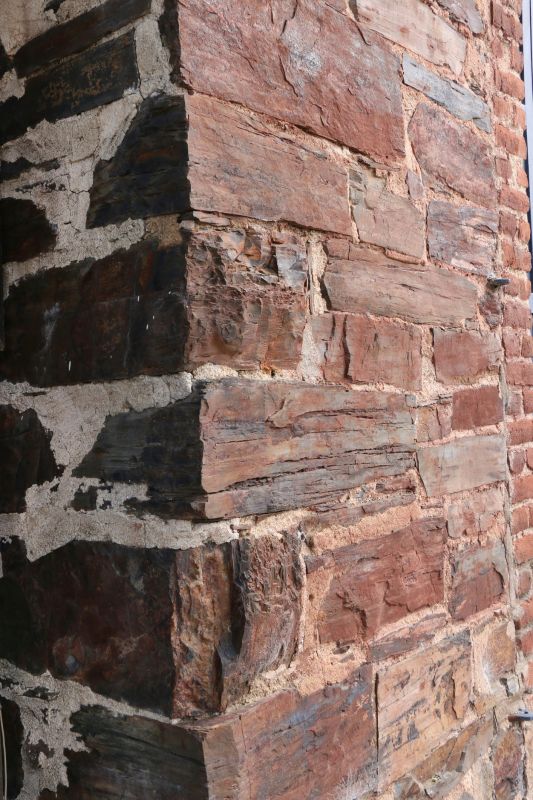
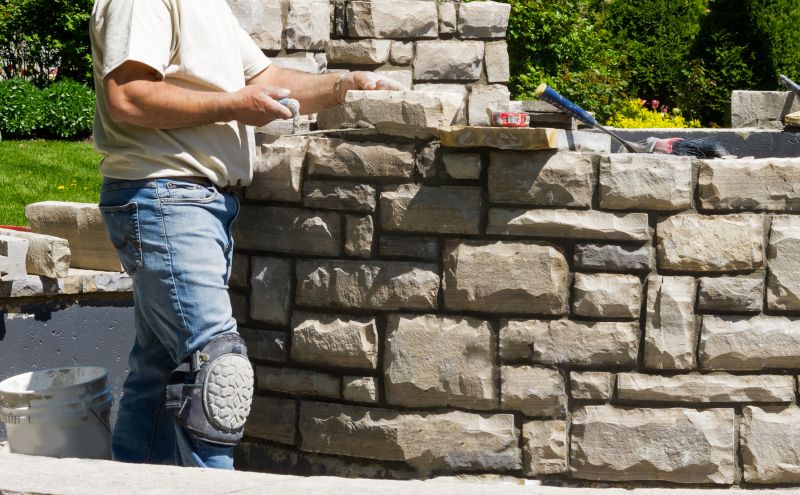
Understanding the differences between brick and stone tuckpointing is a common concern for property owners managing commercial buildings. When choosing between these services, many consider factors such as the appearance, durability, and overall suitability for their specific project needs. Local contractors often provide guidance on which material and tuckpointing approach will best enhance the structure’s integrity and aesthetic appeal, especially in busy commercial settings where upkeep and long-term performance matter.
Property owners might look up this topic to ensure they select the right tuckpointing method for their building’s exterior. Brick tuckpointing generally offers a classic look and is often easier to match with existing brickwork, while stone tuckpointing can provide a more natural or refined appearance for stone facades. Local service providers can help evaluate the existing materials and recommend the most appropriate approach, ensuring the project addresses both visual and structural considerations effectively.
What are the main differences between brick and stone tuckpointing for commercial projects? Brick tuckpointing typically involves repairing mortar joints in brick structures, while stone tuckpointing focuses on restoring mortar between stone elements. The materials and techniques differ based on the type of masonry, affecting the appearance and durability of the finished work.
How does the choice between brick and stone tuckpointing impact the appearance of a building? Brick tuckpointing maintains the uniform, classic look of brick facades, whereas stone tuckpointing preserves the natural, textured appearance of stone surfaces. Local contractors can recommend the best approach to match the building’s aesthetic style.
Are there specific considerations for brick vs. stone tuckpointing in commercial settings? Yes, factors such as the type of masonry, structural integrity, and historical preservation needs influence the choice. Experienced service providers can evaluate the structure and suggest the most suitable tuckpointing method.
Can brick and stone tuckpointing be combined in a single project? It is possible to combine both methods if a building features mixed masonry materials. Local pros can assess the project and develop a plan that addresses both brick and stone sections effectively.
Why should a business consider hiring local contractors for brick vs. stone tuckpointing services? Local service providers have knowledge of regional building styles, common issues, and material availability, ensuring the tuckpointing work aligns with the building’s needs and local standards.
Understanding material differences - Property owners can learn how brick and stone materials vary in durability and appearance to make informed choices for tuckpointing projects.
Matching mortar colors and textures - Local contractors can help select appropriate mortar to complement either brick or stone surfaces, enhancing the building’s aesthetic.
Choosing appropriate techniques - Property owners can explore specific tuckpointing methods suited to brick or stone to ensure a long-lasting and professional finish.
Assessing structural needs - Local pros can evaluate whether brick or stone tuckpointing best addresses existing damage or stability concerns in commercial properties.
If you are thinking about brick vs. stone tuckpointing: key differences for commercial projects for a property, this guide is meant to help you understand this topic, the typical project types, and how different options might fit your plans.
When you are ready, you can use the quote form on this page to share a few details about your project. From there, local pros can review the basics and follow up with options that match what you have in mind.